Cylindrical power and axis explained simply
What does CYL and axis mean on your eye prescription? A simple guide to cylindrical power, astigmatism, normal ranges and how lenses correct it.
By Viszy · · 3 min read
In this article
Your prescription says something like SPH -1.50, CYL -0.75, Axis 180 and you’ve been told you have “cylindrical power”. It sounds serious. In most cases it isn’t: cylindrical power is extremely common and glasses correct it very well. Here’s what the numbers mean.
What is cylindrical power?
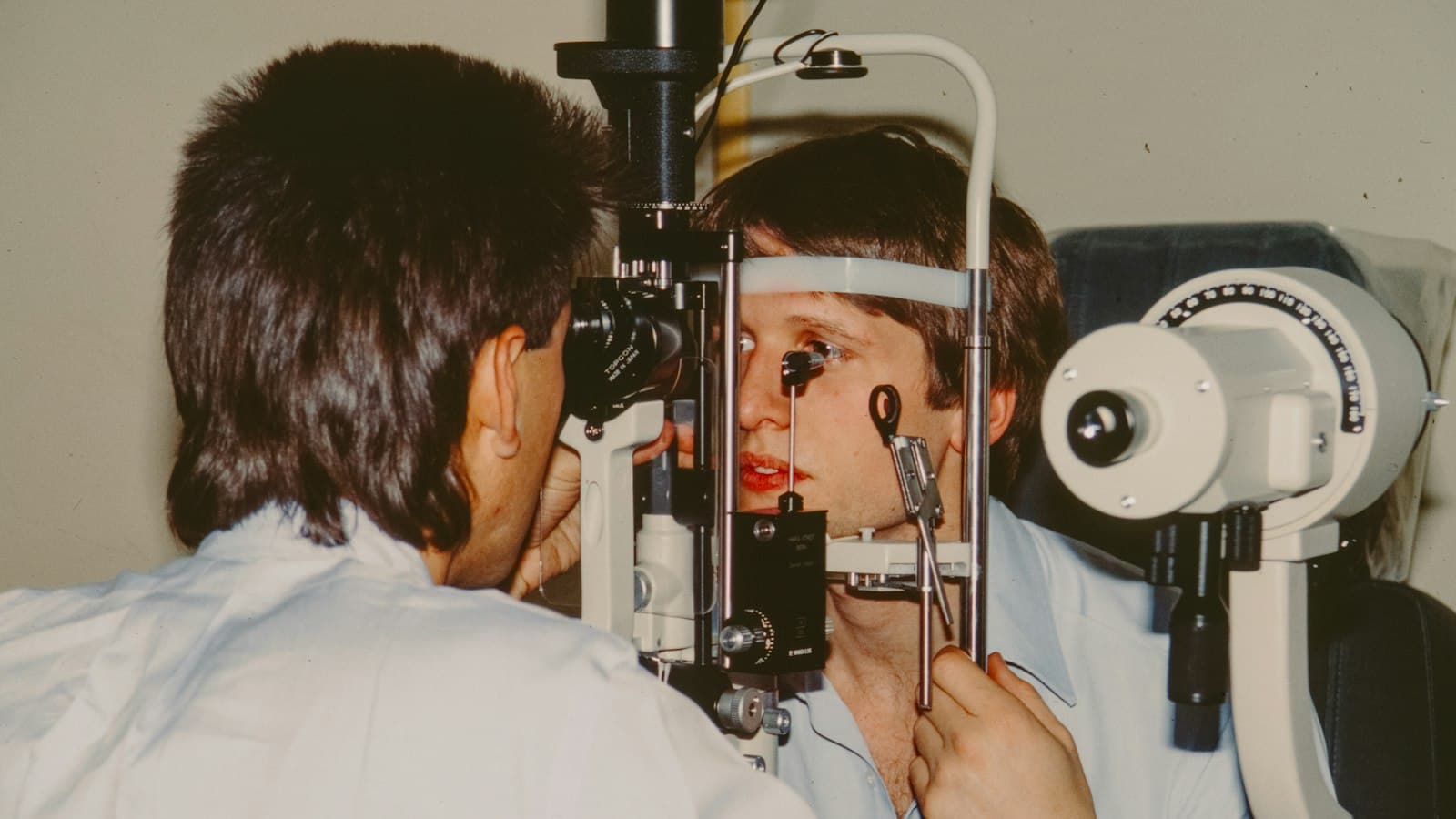
Cylindrical power (CYL) corrects astigmatism. In a perfectly round eye, light focuses to a single point. In an eye with astigmatism, the front surface (cornea) or the lens inside is shaped a little more like a rugby ball than a football, curved more in one direction than the other. Light focuses at two different points, so things look blurred or stretched.
The “sphere” (SPH) part of your prescription corrects the same amount in every direction. The “cylinder” adds extra correction in just one direction.
Common signs of astigmatism
- Blurred or slightly doubled letters, at any distance
- Street lights and headlights look streaky or star-shaped at night
- Squinting to make text sharper
- Headaches or tired eyes after reading or screen work
What does the axis mean?
The axis is a number from 1 to 180 degrees. It tells the lab which direction the cylinder correction must sit in. Think of a clock face laid over your lens: 90 is vertical, 180 is horizontal, and everything else is in between.
The axis only matters when there’s a CYL value. If your CYL column is blank or says “DS” or “sph”, you have no astigmatism and no axis.
Is my cylindrical power normal?
Eye doctors use roughly these bands (the sign, minus or plus, depends on how your prescription is written):
| CYL value | Usually described as |
|---|---|
| 0.25 to 0.75 | Mild, very common |
| 1.00 to 2.00 | Moderate |
| 2.25 to 4.00 | High |
| Above 4.00 | Very high, often worth an eye doctor’s review |
Many people have a small amount of astigmatism. Whether it needs correcting depends on your symptoms and your eye doctor’s advice, not just the number.
Does cylindrical power go away?
Astigmatism usually comes from the shape of the eye, so it doesn’t go away with exercises or diet. It tends to stay fairly stable in adults, though it can shift slowly with age. Glasses, contact lenses (toric lenses) and laser surgery can all correct it. A sudden or steady increase should be checked by an ophthalmologist, as a few conditions such as keratoconus show up this way.
Why fitting precision matters with CYL
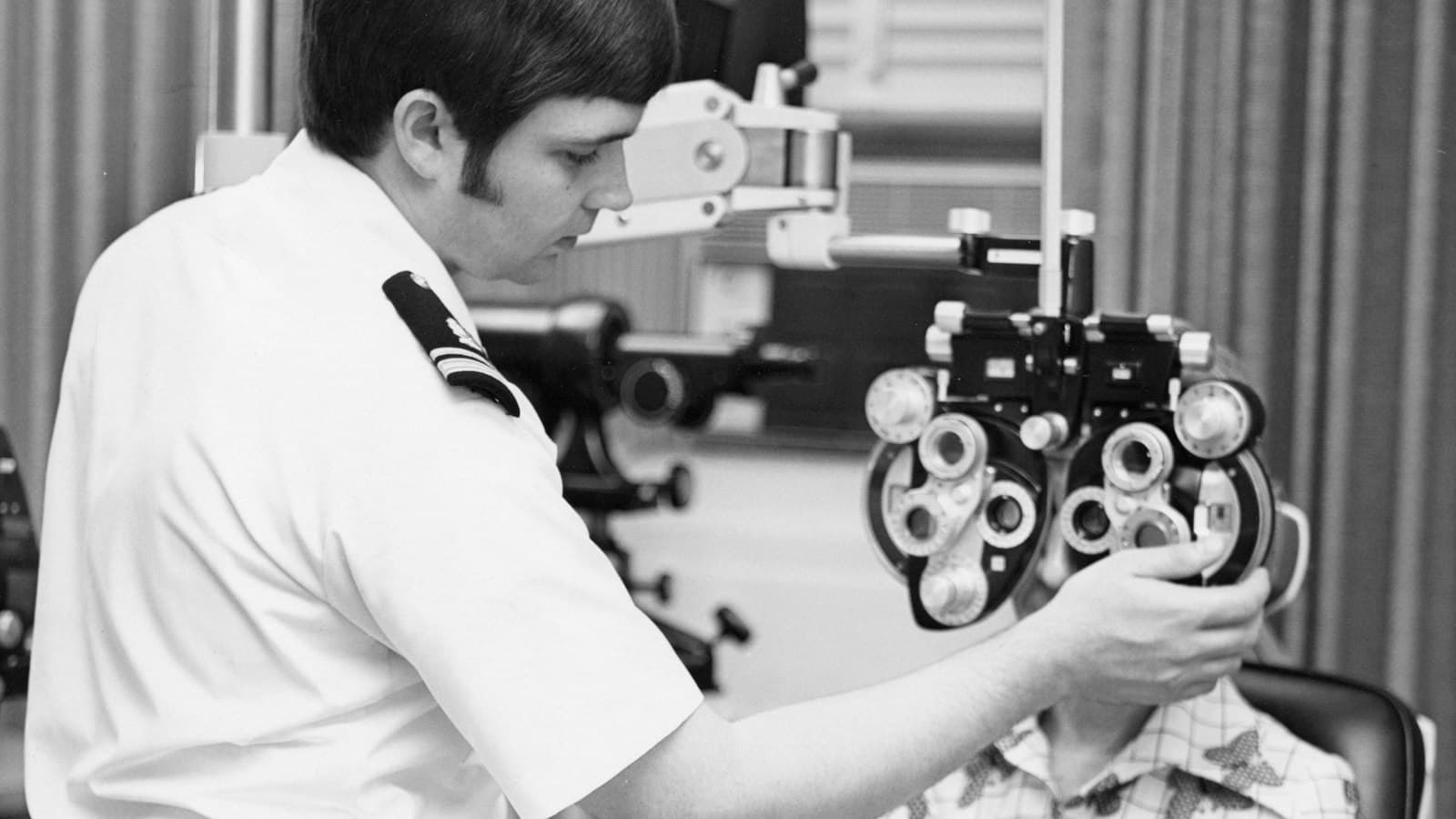
A cylindrical lens has to be cut and fitted so its axis lines up exactly with your prescription. If it’s rotated even a few degrees, vision can feel slightly off, and the error gets bigger as CYL increases. That’s why we check the axis on every lens before fitting, and why a loose screw that lets a lens rotate in the frame should be fixed quickly.
Getting lenses with cylindrical power
Every Viszy lens can be made with CYL and axis, at no extra charge for astigmatism. Enter your full prescription when you choose a frame, or keep the frame you have and use our doorstep lens replacement. If your prescription has changed, read power changed? keep your frame.
Read next: How to read your eye prescription · Is -1 or -2 eye power normal? · Power changed? Keep your frame
Need new lenses for your frame?
Free doorstep pickup & drop in 200+ cities. Lenses from ₹800.
Viszy
Viszy's team of lens specialists. We fit and power-check every pair we send out, and write these guides to help you choose with confidence.
Last updated 8 Nov 2026