Myopia in children: a 2027 guide for parents
Myopia (short-sightedness) is rising fast in Indian children. Learn the early signs, why it happens, how to slow it down, and when your child needs glasses.
By Viszy · · 3 min read
In this article
If your child squints at the TV, holds the phone very close or complains the board looks blurry, they may be short-sighted. Myopia is now one of the most common eye conditions in school-age children in India and around the world, and the numbers have been climbing year after year. The good news: it’s easy to correct, and there’s a lot parents can do to slow it down.
What is myopia?
Myopia, or short-sightedness, means near things look clear but far things are blurry. It usually happens because the eyeball grows a little too long, so light focuses in front of the retina instead of on it. On a prescription it shows as a minus (−) power. Read is −1 or −2 eye power normal? to understand the numbers.
Why is it becoming so common?
Researchers have estimated that around half of the world’s population could be myopic by 2050. Genetics plays a part (children with one or both parents short-sighted are at higher risk), but lifestyle seems to matter a lot:
- Less time outdoors. Studies consistently link more outdoor time in daylight with a lower chance of developing myopia.
- More close-up work. Long hours of reading, homework, tuition and screens at a short distance.
- Starting early. The younger myopia starts, the more it tends to increase through childhood.
Signs to watch for
- Squinting or narrowing the eyes to see far.
- Sitting very close to the TV or holding books and phones close.
- Complaints that the board at school is blurry, or copying mistakes from the board.
- Frequent eye rubbing, headaches or tiredness after school.
- Covering one eye to see better.
Many children don’t complain at all, because they think blurry is normal. That’s why regular eye checks matter.
When should a child have an eye test?
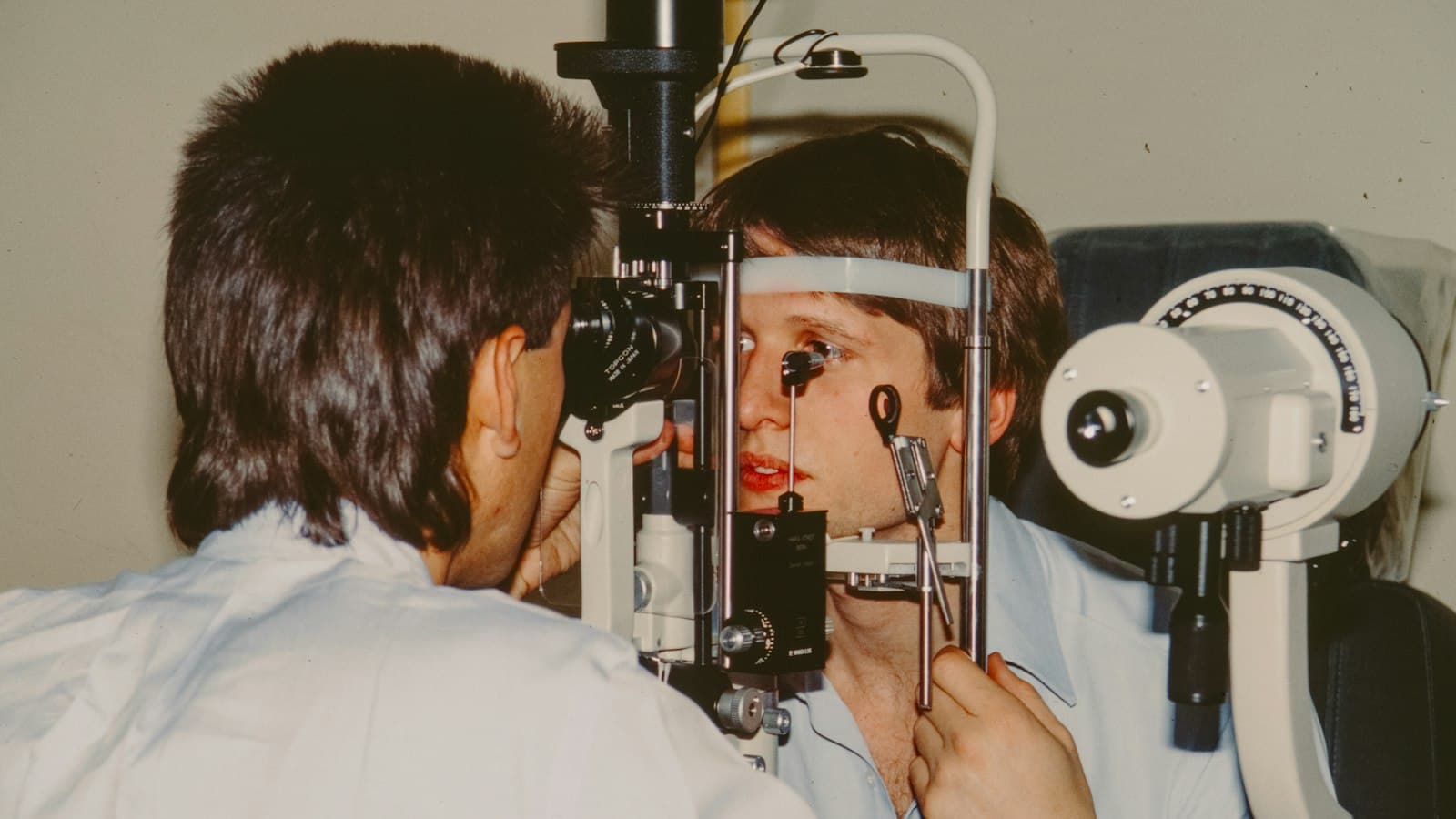
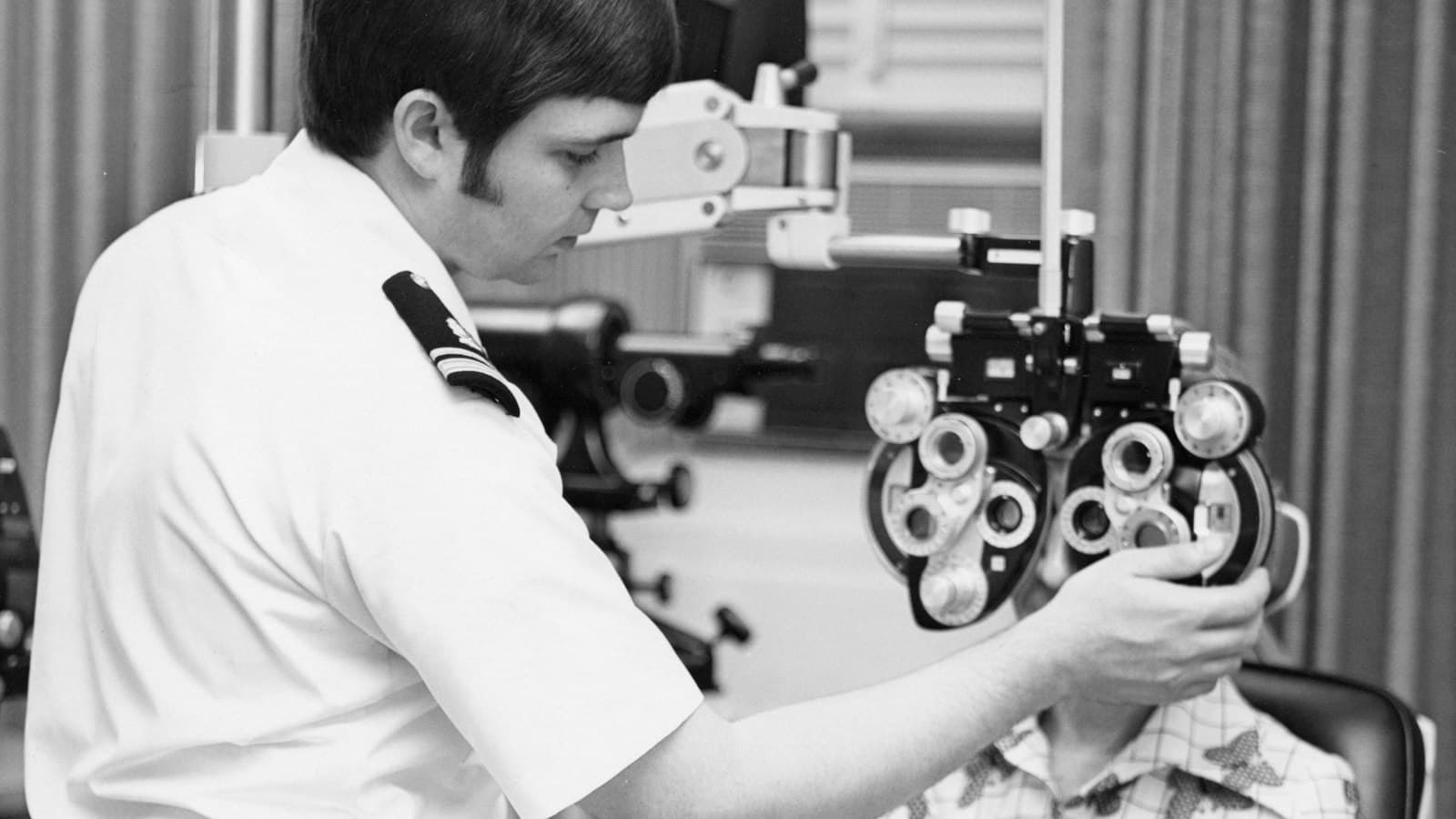
Most eye care professionals suggest a first full eye check before starting school, and then roughly once a year through the school years, or sooner if you notice any of the signs above. If your child already wears glasses, the doctor will tell you how often to come back. See our eye test guide for what happens during a check-up.
How myopia is managed
Glasses with the correct power give clear vision straight away. Beyond that, eye doctors may suggest ways to slow myopia down in some children, such as special myopia control spectacle lenses, specialised contact lenses or low-dose atropine eye drops. These are medical decisions, so discuss them with a paediatric ophthalmologist or optometrist who can examine your child.
Daily habits that help
- Outdoor time every day. Aim for around two hours of outdoor play across the day, in daylight. Weekend cricket counts!
- Breaks from close work. Every 20 to 30 minutes of reading or screens, look out of a window or across the room for a little while.
- Keep books and screens at a sensible distance, roughly the distance from the elbow to the knuckles for books, and further for laptops and TVs.
- Good light for homework, with no glare on the page.
- Limit recreational screen time, especially for younger children.
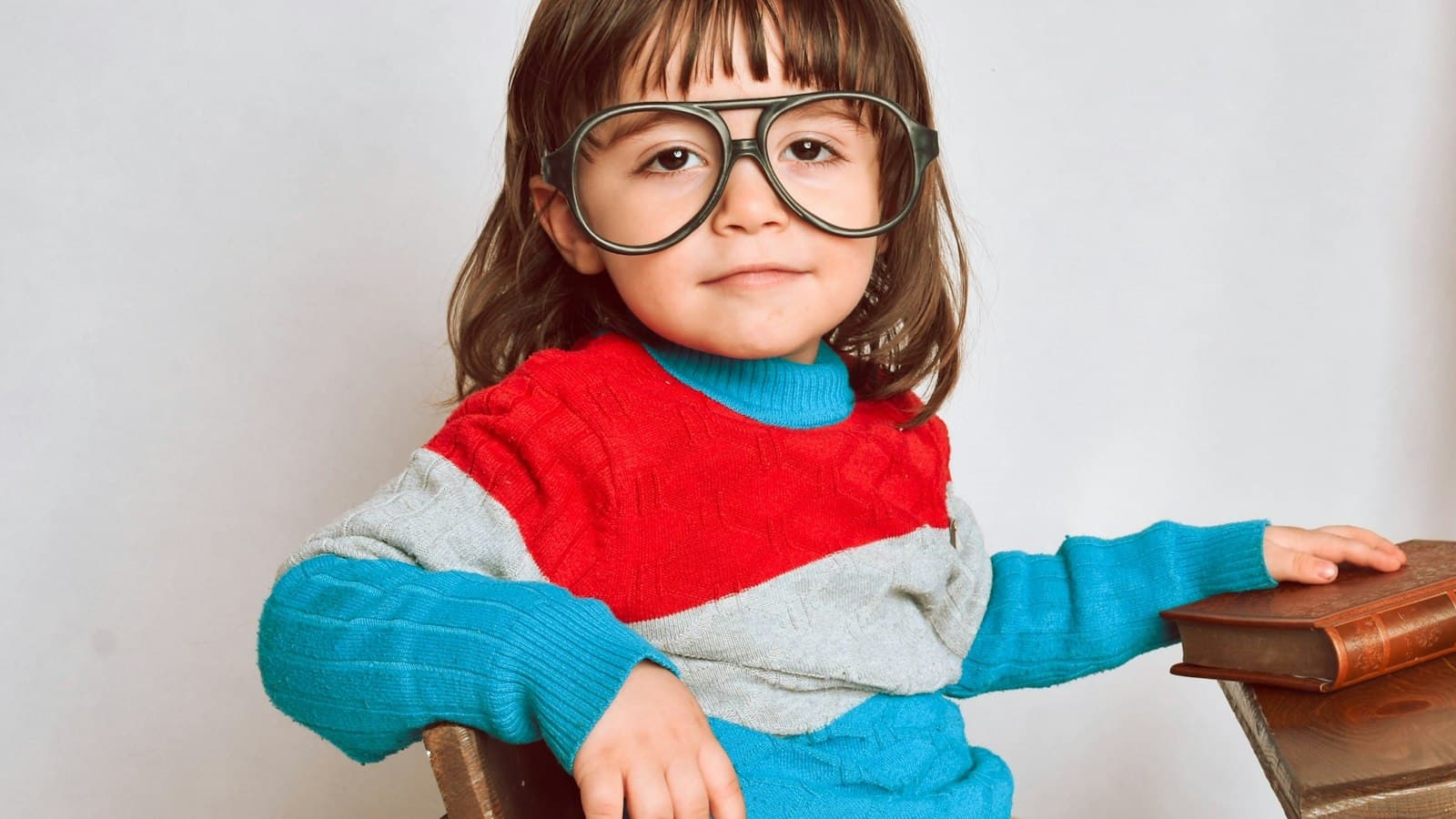
Choosing glasses for kids
- Full-rim frames are the toughest choice for active children. See full-rim vs half-rim vs rimless.
- Get the size right so the glasses don’t slide down during play.
- Let your child pick a colour or shape they like. Kids wear glasses they’re proud of.
- Myopia often changes as children grow, so plan for new lenses every year or so. If the frame still fits, you can replace just the lenses.
This article is general information, not medical advice. Always follow your child’s eye doctor.
Read next: Is −1 or −2 eye power normal? · Eye test in 2027: how often · Power changed? Keep your frame
Need new lenses for your frame?
Free doorstep pickup & drop in 200+ cities. Lenses from ₹800.
Viszy
Viszy's team of lens specialists. We fit and power-check every pair we send out, and write these guides to help you choose with confidence.
Last updated 10 Nov 2026