Best spectacle lenses in India for 2027
Which spectacle lenses should you buy in 2027? Lens types, coatings and thickness explained simply, so you pay only for what you actually need.
By Viszy · · 3 min read
In this article
The frame gets all the attention, but the lens decides how well you see and how comfortable your glasses feel at 10 pm after a long day. Lens choices can be confusing: index numbers, coatings, brand names, upgrades. This guide cuts it down to what actually matters when you buy spectacle lenses in India in 2027.
Step 1: pick the lens type for how you see
| Lens type | What it does | Best for |
|---|---|---|
| Single vision | One power across the whole lens | Most people under 40, distance or reading only |
| Zero power | No correction, coatings only | Style, screen use without a prescription |
| Bifocal | Two zones (far and near) with a visible line | People 40+ who want a budget near-and-far lens |
| Progressive | Far, middle and near with no line | People 40+ who want one pair for everything |
| Photochromic | Clear indoors, darkens in sunlight | People who go in and out all day |
Not sure which one you need? Your prescription tells you. If it has an ADD value, you need reading help on top of distance, which means bifocal or progressive. See how to read your prescription and single vision vs progressive.
Step 2: the coatings worth paying for
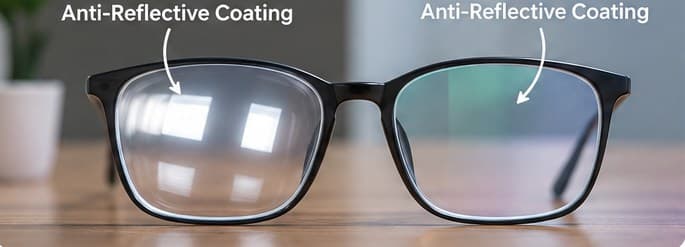
- Anti-glare (anti-reflective): the most useful coating there is. Sharper vision, less glare at night, and your eyes are visible in photos. Treat it as essential.
- Scratch resistance: plastic lenses scratch easily without a hard coat. Every decent lens should have one.
- UV protection: blocks ultraviolet light. Standard on most modern lens materials.
- Water and smudge repellent: lenses stay clean longer and wipe easily. Very handy in the monsoon and in humid cities.
- Blue-cut: filters part of the blue-violet light. Many people find screens more comfortable, but the evidence that it prevents eye strain is weak. Read our honest take: are blue-cut lenses worth it?
At Viszy, blue-cut and anti-glare come standard on every single vision lens, so you don’t need to add them on.
Step 3: lens thickness (index), only if your power is high
The “index” of a lens is how strongly the material bends light. A higher index means a thinner, lighter lens for the same power.
- Low power (up to about ±2.00): a standard lens is fine. Paying for high index gives you almost nothing.
- Medium power (about ±2.00 to ±4.00): a mid-index lens keeps edges neat, especially in full-rim frames.
- High power (above about ±4.00): high-index lenses make a real difference to weight and look. Pick a smaller frame too, since a big lens means thicker edges.
We choose the right thickness for your power, so you don’t have to pick an index number yourself.
Step 4: think about where you’ll wear them
- Mostly indoors, lots of screens: single vision with a premium anti-glare coat.
- Outdoors a lot, two-wheeler commutes: photochromic lenses save carrying sunglasses. See are photochromic lenses worth it?
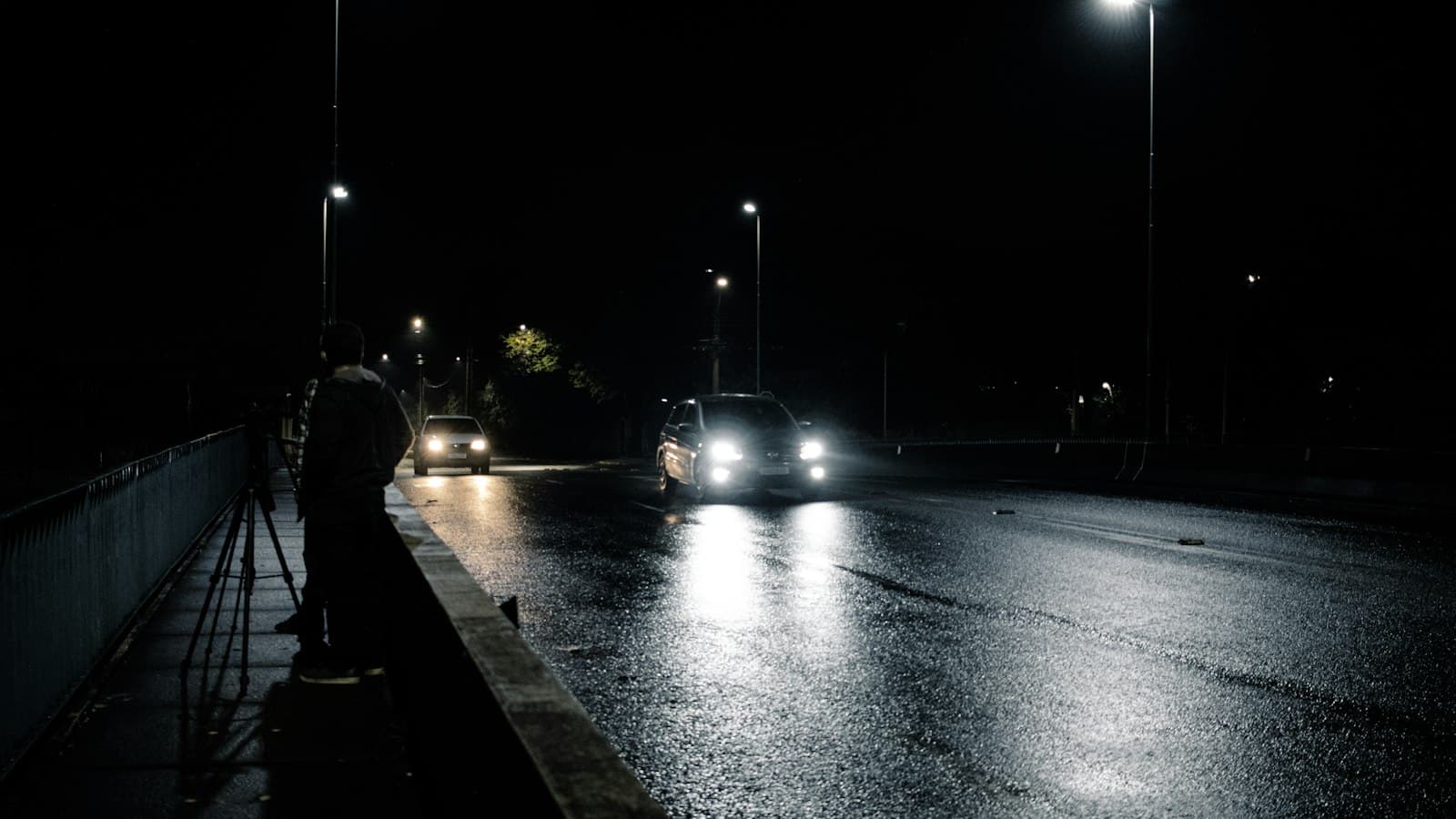
- Night driving: a good anti-glare coat and an up-to-date power matter most. More in our night driving guide.
- 40+ and switching between phone, laptop and road: progressive.
What about lens prices in 2027?
Lens prices depend mostly on type (single vision, bifocal, progressive), coatings and thickness. Brand names add cost without always adding quality. We keep a clear, up-to-date breakdown in our lens price guide, and you can see every option on our single vision and progressive lens pages.
Common mistakes to avoid
- Paying for high index on a low power.
- Buying lenses without anti-glare to save a little money.
- Using an old prescription. If it’s more than two years old, get a fresh eye test first.
- Choosing a huge frame with a high power, which makes even good lenses look thick.
The short version
For most people in 2027, the best spectacle lens is a single vision lens with a quality anti-glare coat, a hard coat and UV protection, in the right thickness for your power. Add photochromic if you’re outdoors a lot, and go progressive once you need reading help. Not sure? Try our lens finder, or keep your current frame and just replace the lenses.
Read next: Single vision vs progressive · Lens replacement price in India · Anti-glare vs blue-cut lenses
Need new lenses for your frame?
Free doorstep pickup & drop in 200+ cities. Lenses from ₹800.
Viszy
Viszy's team of lens specialists. We fit and power-check every pair we send out, and write these guides to help you choose with confidence.
Last updated 10 Nov 2026